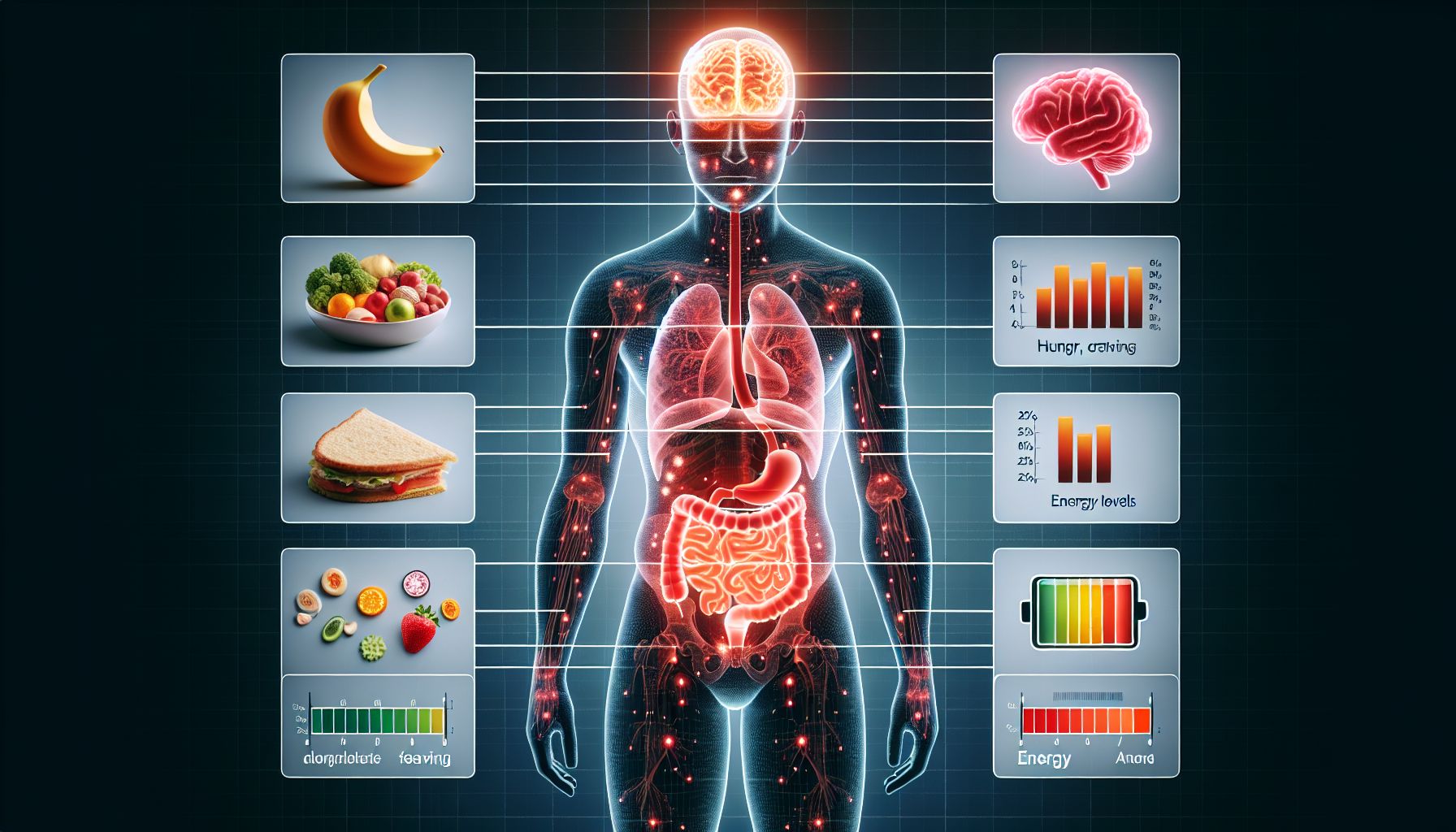
Your body speaks to you. It sends signals about hunger, cravings, and energy. Understanding these signals can help you manage your health better. This article will explore these signals, their meanings, and how to respond effectively.
Hunger: The Basic Need
Hunger is your body’s way of telling you that it needs food. It usually occurs after a few hours without eating. When your stomach feels empty, it produces hormones like ghrelin. These hormones signal your brain to seek food.
Types of Hunger
- Physical Hunger: This type occurs when your body needs energy. You may feel a growling stomach or low energy.
- Emotional Hunger: This type arises due to feelings such as stress or boredom. You may crave comfort foods during these times.
How to Respond to Hunger
- Eat Regular Meals: Plan your meals to prevent excessive hunger. Include proteins, healthy fats, and fiber.
- Listen to Your Body: Recognize the difference between physical and emotional hunger. Choose healthy snacks if you’re truly hungry.
Cravings: What Are They?
Cravings are specific urges to eat certain foods. They can be strong and sometimes overwhelming. Cravings often arise for various reasons, including emotional states, nutrient deficiencies, or habits.
Common Triggers for Cravings
- Emotional Triggers: Stress, anxiety, or sadness can lead to cravings for comfort foods like chocolate or ice cream.
- Nutrient Deficiencies: A lack of certain nutrients can cause your body to crave specific foods. For example, cravings for salty snacks may indicate a need for sodium.
- Habits and Associations: Sometimes, your environment can trigger cravings. For instance, you may crave popcorn while watching a movie.
How to Manage Cravings
- Stay Hydrated: Sometimes, thirst can be mistaken for cravings. Drink water and see if the craving persists.
- Choose Healthy Alternatives: If you crave sweets, consider fruits or yogurt. If you feel like snacking, opt for nuts or vegetable sticks instead of chips.
- Mindful Eating: Pay attention to why you want certain foods. Take a moment to assess whether you are genuinely hungry or just craving a specific taste.
Energy Levels: Understanding Your Body’s Fuel
Your energy levels can impact your daily life. They fluctuate based on various factors, including what you eat, how much you sleep, and your activity level. Understanding your energy levels can help you feel more balanced.
Factors Influencing Energy Levels
- Diet: Foods rich in sugar can cause spikes in energy, followed by crashes. Eating whole foods like fruits, vegetables, and grains provides steady energy.
- Sleep: Lack of sleep can lead to low energy. Aim for 7-9 hours of quality sleep each night.
- Exercise: Regular physical activity increases energy. Even a short walk can boost your mood and alertness.
How to Boost Energy Levels
- Eat Balanced Meals: Include a mix of carbohydrates, proteins, and fats. This balance provides long-lasting energy.
- Regular Exercise: Incorporate aerobic exercises like walking, running, or cycling. Strength training also helps boost energy levels by building muscle.
- Manage Stress: High stress can drain your energy. Engage in activities like yoga, meditation, or deep breathing to reduce stress and increase energy.
The Importance of Staying Attuned to Your Body
Being aware of your body’s signals promotes better health and well-being. Regularly check in with yourself to assess your hunger, cravings, and energy levels. This awareness can help prevent overeating, make healthier food choices, and sustain your energy throughout the day.
The Benefits of Healthy Eating Habits
Healthy eating supports your body’s needs. It helps maintain a healthy weight, supports energy levels, and can improve overall health.
Pros of Healthy Eating:
- Weight Management: A balanced diet aids in maintaining a healthy weight. For tips on weight loss, visit better health.
- Improved Mood: Certain foods can elevate mood and reduce feelings of stress and anxiety.
- Stable Energy: Eating balanced meals prevents energy crashes and keeps you alert.
Cons of Unhealthy Eating:
- Weight Gain: Regular consumption of high-calorie foods can lead to overweight or obesity.
- Mood Swings: Unhealthy foods can lead to fluctuations in energy and mood.
- Fatigue: Poor food choices can cause dips in energy, leading to tiredness and lethargy.
Conclusion
Understanding your body’s signals about hunger, cravings, and energy levels can empower you. By listening to these signs, you can make choices that enhance your health and well-being. Consider your habits and make adjustments where necessary. Knowledge is power, and taking charge of your eating habits is the first step toward a healthier lifestyle.
For more on nutrition and health-related topics, check out:
– Healthline
– WebMD
– Mayo Clinic
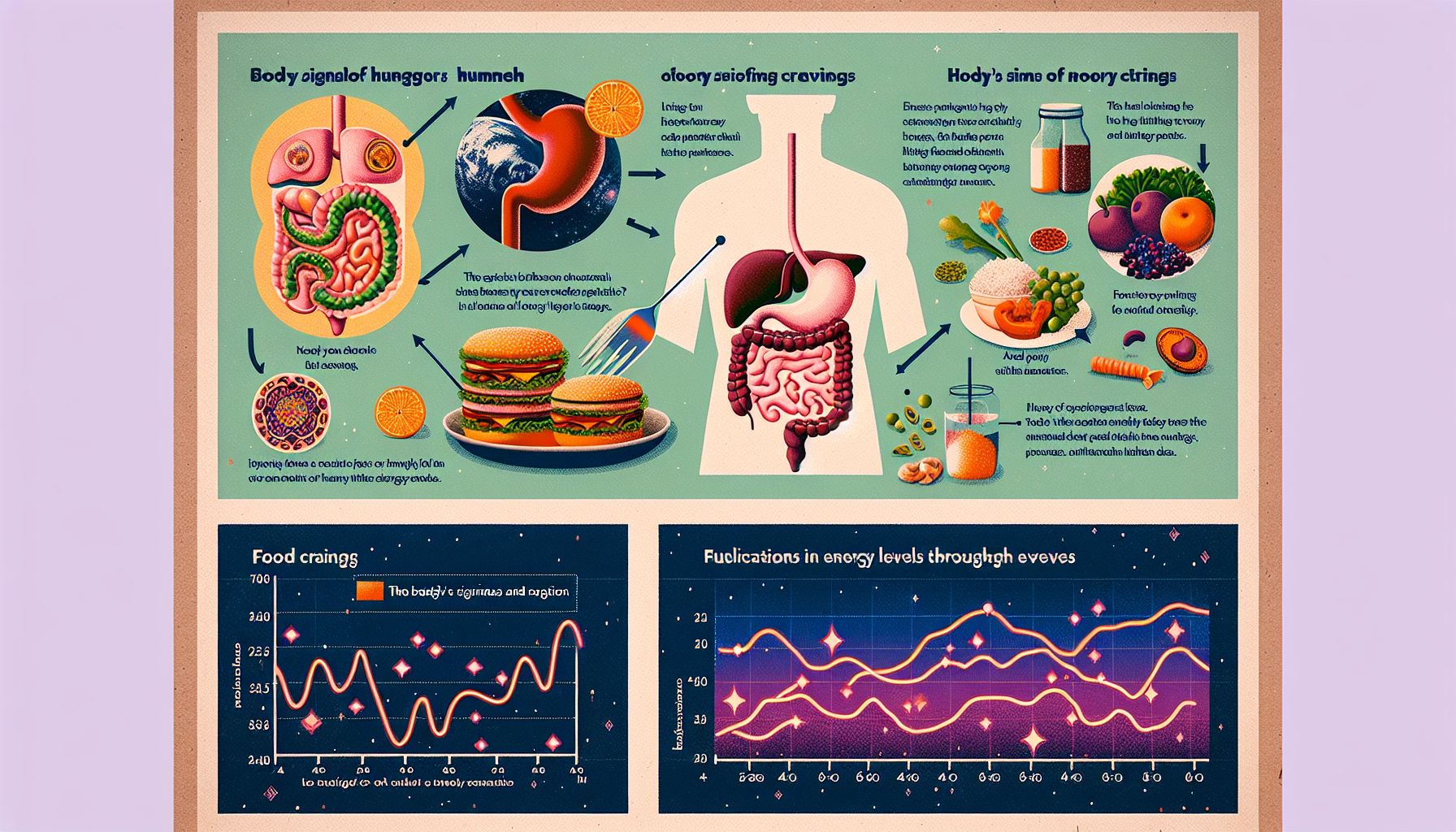
By staying conscious of your body’s needs, you can lead a healthier, more fulfilling life.