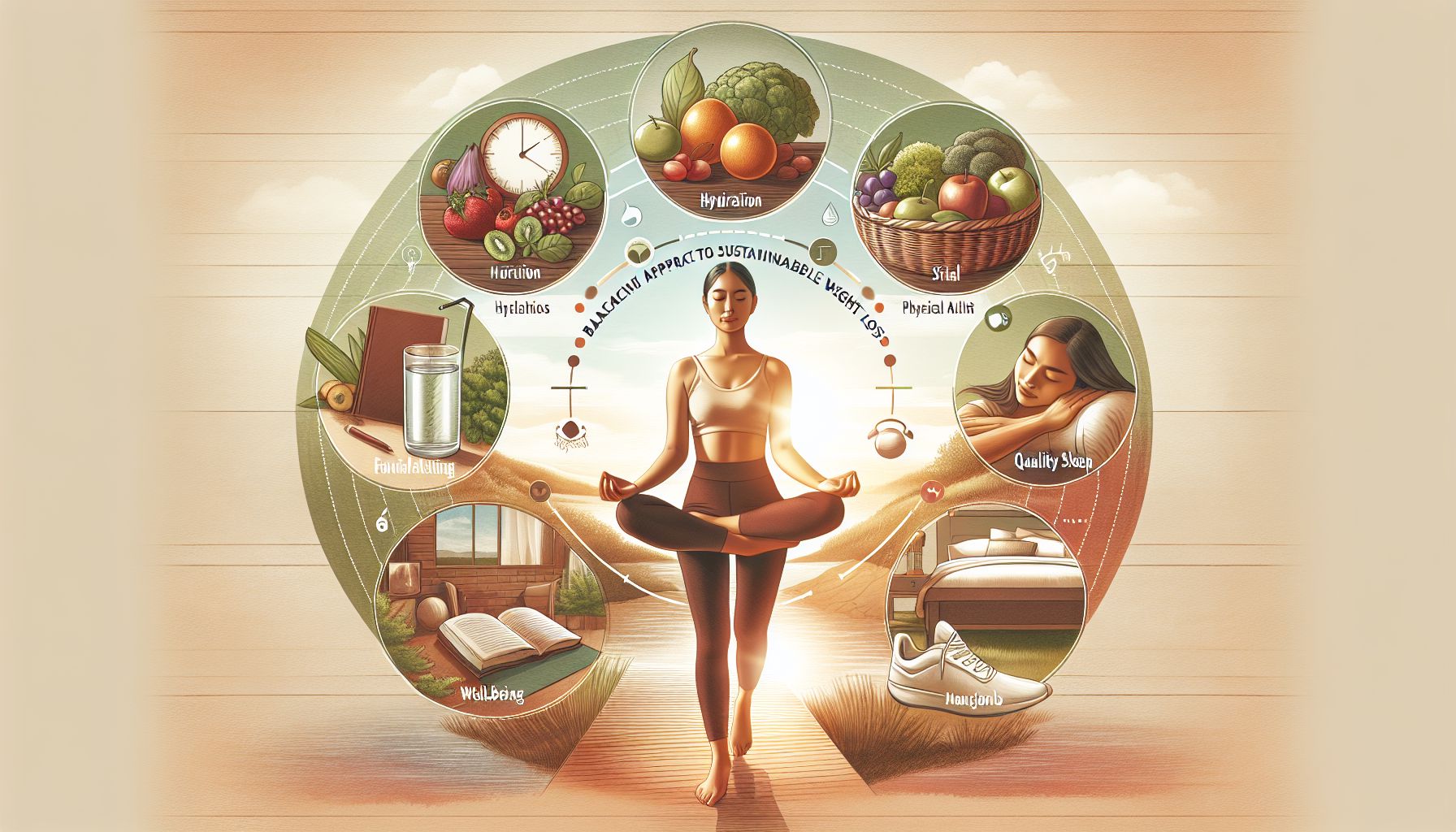
Weight loss can feel overwhelming. Many people search for quick fixes. However, true wellness comes from a balanced approach. Living Body Wellness emphasizes sustainable weight loss. This method focuses on long-term health rather than temporary solutions. In this article, we explore effective strategies to achieve and maintain your weight loss goals.
Understanding Sustainable Weight Loss
Sustainable weight loss means achieving and maintaining a healthy weight over time. It is not just about losing pounds; it is about adopting a lifestyle that promotes overall well-being. This approach encourages healthy habits that last.
The Importance of Mindset
Your mindset plays a vital role in weight loss. A positive mindset helps you stay motivated. It influences your choices. Instead of viewing weight loss as a punishment, see it as a journey to better health. Set realistic goals. Celebrate small victories along the way. This shift in perspective can make a significant difference in your progress.
Balanced Nutrition
Nutrition is a core part of any weight loss plan. A balanced diet provides the body with the necessary nutrients. Focus on whole foods. These include fruits, vegetables, lean proteins, and whole grains. They help you feel full and satisfied.
Understanding Macronutrients
Macronutrients consist of carbohydrates, proteins, and fats. Each plays an essential role in your body.
- Carbohydrates provide energy. Focus on complex carbs. Sources include oats, brown rice, and whole-wheat bread.
- Proteins support muscle growth. Include lean meats, fish, legumes, and nuts in your meals.
- Fats are essential for hormone regulation. Healthy fats come from avocados, olive oil, and fatty fish.
Meal Planning and Preparation
Planning meals helps you make healthy choices. Set aside time weekly to plan balanced meals. Preparing food at home allows you to control ingredients and portion sizes.
Use these tips for effective meal planning:
- Make a Grocery List: Write down healthy foods you need for the week.
- Batch Cook: Prepare meals in advance. This saves time and helps you stick to healthy options.
- Portion Control: Use smaller plates. This can prevent overeating.
Regular Physical Activity
Exercise is a crucial part of weight loss. It helps burn calories and strengthens the body. Aim for at least 150 minutes of moderate exercise each week.
Types of Exercise
Incorporate a variety of exercises into your routine. This mix keeps workouts enjoyable. Consider the following types of exercise:
- Aerobic Exercise: Activities like walking, running, biking, or swimming improve cardiovascular health.
- Strength Training: Lifting weights or doing body-weight exercises boosts metabolism and builds muscle.
- Flexibility Exercises: Yoga or stretching helps improve flexibility and reduces the risk of injury.
Finding Activities You Enjoy
To stay active, choose activities you enjoy. This increases the likelihood of sticking with them. Join a fitness class, play a sport, or dance. Keep it fun and engaging.
Hydration and Its Role
Water plays a significant role in weight loss. Staying hydrated helps your body function properly. It can also curb hunger. Drink plenty of water throughout the day. Consider having a glass before meals. This simple habit can aid in portion control.
Sleep and Stress Management
Sleep and stress management are often overlooked aspects of weight loss. Poor sleep can lead to weight gain. Lack of rest affects hormone levels, increasing cravings for unhealthy foods. Aim for 7-9 hours of quality sleep each night.
Managing Stress
Stress can lead to emotional eating. Find healthy ways to manage stress. Consider these techniques:
- Mindfulness and Meditation: These practices can help reduce stress and improve focus.
- Regular Exercise: Physical activity boosts mood and reduces tension.
- Connect with Others: Spend time with friends or family. Social support is essential for emotional health.
Tracking Progress
Tracking your progress can motivate you. Keep a journal or use apps to log meals and workouts. Record how you feel physically and emotionally. This information can provide insights into what works for you.
Setting Realistic Goals
Set SMART goals—Specific, Measurable, Achievable, Relevant, and Time-bound. Instead of saying, “I want to lose weight,” say, “I want to lose 5 pounds in the next month by exercising three times a week and eating more vegetables.” This clarity helps you stay focused.
Seek Professional Guidance
Consider working with a health professional for personalized support. Dietitians can offer expert advice on nutrition. Personal trainers can create exercise plans tailored to your needs. Seek resources that suit your circumstances.
For additional insights, visit trusted sites like ChooseMyPlate.gov and Nutrition.gov. They offer comprehensive information on healthy eating and living.
Real-Life Success Stories
Learning from others can inspire you. Many individuals have turned their health around through dedication and the right strategies. For example, read about The Body Coach’s experience with weight loss in this article: the body coach. Success stories illustrate that sustainable weight loss is achievable.
Conclusion
Sustainable weight loss demands a balanced approach. Focus on nutrition, exercise, hydration, sleep, and stress management. Cultivate a positive mindset and set realistic goals. Celebrate progress along the way.
Embrace the journey. Make small changes today for long-term results. Remember, wellness is a lifestyle—not a destination. Begin your path to a healthier you today.